
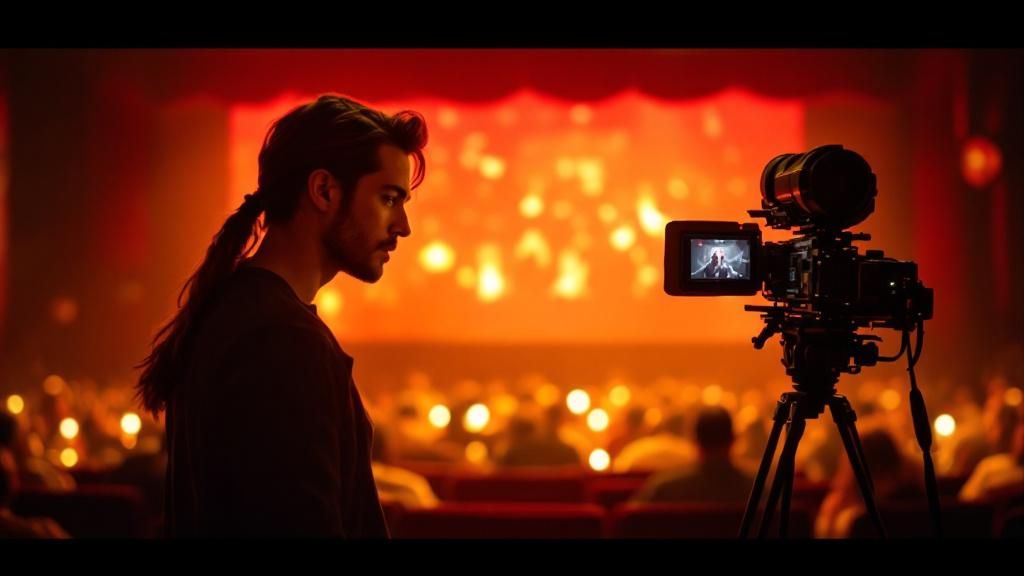
The theatre has undergone a remarkable evolution in recent years, as state-of-the-art cinematic techniques transform the way audiences engage with stories on stage. From immersive visual projection and digital backdrops to advanced lighting systems and audio design, modern theatres are combining traditional stagecraft with modern visual technology. This article explores how these innovative approaches are reshaping theatrical narratives, strengthening emotional resonance, and creating unforgettable experiences that blur the boundaries between cinema and live performance, ultimately redefining what audiences expect from theatre in the modern era.
The Progress of Image-Based Narrative
The journey of stage narrative in theatre has experienced major evolution over the last hundred years. From modest origins with painted backdrops and candle-lit performance spaces, stage production has evolved into a sophisticated amalgamation of artistic disciplines. First advances incorporated electric lighting and automated sets, substantially changing how plots could be communicated. However, the genuine breakthrough took place when theatrical artists began adopting film techniques, recognising that spectator demands had altered substantially following decades of film exposure.
Contemporary theatres currently employ advanced projection technologies that would have seemed inconceivable mere decades ago. Advanced mapping technology create interactive 3D environments that respond in real time to performers’ movements and emotional moments. These visual effects transcend mere decoration, becoming key narrative elements themselves. Directors leverage these systems to collapse temporal boundaries, shift locations seamlessly effortlessly, and depict intangible concepts that traditional stagecraft cannot communicate. The fusion of live acting with film-like accuracy has generated fresh narrative opportunities.
This shift illustrates broader cultural changes in how viewers process content and enjoy performance. Digital natives demand sophisticated visual storytelling, whilst purists appreciate the authentic theatrical experience that film cannot match. Today’s theatres skillfully manage this balance, utilising film-inspired methods to amplify emotional impact without compromising the irreplaceable energy of theatrical performance. This synergy between tradition and innovation has substantially transformed theatrical art for modern viewers.
Immersive Sound Design and Spatial Audio
Modern theatre productions employ complex sonic technologies that transcend traditional speaker-based sound. Immersive audio platforms produces multidimensional acoustic environments, enabling audio to travel seamlessly around the auditorium, enveloping audiences in immersive sonic spaces. This sophisticated method alters how spectators experience story components, causing dialogue, music, and effects appear genuinely woven within the stage area rather than simply amplified from speakers.
The integration of Dolby Atmos and comparable immersive sound technologies has become increasingly prevalent in modern theatres. These systems enable audio professionals to position audio elements exactly within the theatre environment, with overhead speakers that deliver substantial spatial richness. By utilising this technology thoughtfully, shows create emotional impact that enhances pivotal scenes, strengthens humorous beats, and establishes atmospheric tension in ways traditional stereo systems cannot achieve.
- Three-dimensional sound places sound across three-dimensional theatrical spaces effectively.
- Dolby Atmos technology facilitates accurate overhead and directional audio positioning.
- Rich audio environments strengthen emotional resonance between actors and spectators.
- Audio composition enhances visual projections for cohesive sensory experiences.
- Sophisticated technology support complex narrative layers via audio storytelling techniques.
Theatre sound engineers now partner with directors and visual specialists to ensure audio complements visual elements flawlessly. This interdisciplinary approach acknowledges that modern audiences demand cinematic-quality sound alongside sophisticated staging. Consequently, shows invest significantly in sound engineering, guaranteeing theatres feature proper technical systems for creating immersive experiences that match cinema sound quality whilst maintaining the immediacy and authenticity central to live theatrical performance.
Digital Projection and Colour Correction Development
Digital projection technology has substantially revolutionised theatrical presentations, allowing shows to display breathtaking imagery sequences with unmatched sharpness and detail. Modern theatres now employ sophisticated projection technology capable of rendering complex imagery, vibrant imagery, and seamless transitions that engage spectators from the opening moments. This innovation in technology enables directors to craft immersive environments that enhance live performances, transforming stages into versatile platforms where film-like narrative merges seamlessly with theatrical tradition, enriching the complete storytelling journey.
Colour grading constitutes a vital innovation in contemporary theatrical design, offering technicians advanced tools to manipulate visual atmospheres and amplify emotional impact. By precisely adjusting hues, saturation levels, and contrast ratios, colour graders create distinctive moods that align with narrative themes and character development. This meticulous approach to colour management ensures that every scene maintains visual coherence whilst producing specific emotional responses, allowing audiences to experience stories through a thoughtfully constructed visual language that intensifies dramatic tension and psychological depth throughout performances.
The integration of digital projection and colour correction has fundamentally altered spectator anticipations relating to visual presentation and narrative quality. Theatrical works now employ these techniques to generate strikingly beautiful spaces that compete with cinematic experiences whilst maintaining the irreplaceable vitality of live acting. This fusion of classic theatre and modern cinematic techniques demonstrates how innovation can improve rather than reduce theatrical artistry, setting fresh benchmarks for engaging entertainment that keep developing as technological capabilities expand.
